
Late last year I was making a joke about a new prestige TV adaptation with a leading lady who seemed to have stepped out of a high fantasy cover. In the joke the audience was split; half thought what they were seeing was trashy fun while the other half, the ones who’d read the book, insisted that there were deep lore reasons that made total sense for why everything was happening on screen.
This dissonance was funny enough to sit with.
And so the idea for Lyrianna Wolfheart was born: A high fantasy heroine who found herself living in a grimdark world and carrying on regardless.
The joke snowballed to the point I started writing fake episode synopses around the adventures of Lyrianna, as she went around the continent fighting monsters and getting into trouble bad and good with the people she encountered along the way.
But I realised for the joke to work, there had to be something deeper beneath it, something close to epic fantasy. So I began creating other POV characters in different parts of the world. Enter, Luka, Marco and Rurik.
Synopses snippet: Out on the roads of the river realm a merchant and his bodyguard get asked to transport an unusual cargo. Duke Marco decides against a safe harbour and sails somewhere darker.
Somewhere along the way, Lyrianna encountered a channeler in chains. That image became the motif for the entire series, and the episode synopses became more detailed.
Synopses snippet: The Queen of the night gives Marco a ship. He builds a crew. The hunter finds an unlikely ally in the chieftain’s daughter. Lyanna searches among the city for tales of abyssal breaches, flirting her way through night life in search of rumours, she breaks hearts and bones. Luka learns that the people who hired him have a special interest in folk with powers. This strikes a chord with him but it is not explained why. The chieftain’s daughter believes the hunter and they set out for proof of the monster. They are attacked by lesser monsters. The daughter (Sigrid)…[spoilers] Marco sets out on his first mission and takes a ship. He finds the cargo is … [spoilers].
By the time I’d finished the last episode synopsis, I realised I already had the spine of a novel and since no-one else was about to write it, I set to work, returning to writing fantasy after about a decade spent writing science-fiction.
Looking back, it’s surprising how much of those episode synopses not just formed the basis for The Rule of the Chain’but provided material for sequels as well. If ever you find yourself wanting to write a fantasy book, I can honestly recommend this technique. A few mad weeks of productivity later, ‘The Rule of the Chain’ existed as a first draft. The world of the Dragon Moon Saga was in motion, and over the next six months ‘The Rule of the Chain’ was followed by ‘The Day of the Souls’ and ‘The Hour of the Wolf’ in draft form.
Now you may be wondering; who was right in the original joke? Is it trashy fun or is it grimdark?
The answer is that one of the great things about fantasy is that you don’t have to choose.
When a dragon sets a town on fire, it’s spectacle, but it’s also a story about power is used, and the lines that should or shouldn’t be crossed in war. As one of my characters, Veyra, loves to say: more than one thing can be true.
The joke accidentally evolved into a dark fantasy ‘Cloud Atlas’ with genuine stakes. But readers and characters still get the chance to laugh.
If you like the scope of A Song of Ice and Fire, the humour and monsters of The Witcher, if you’ve ever played an RPG and wondered what lay beyond the edge of a map, there’s a fair chance you’ll enjoy the Dragon Moon Saga.
I will be posting chapters regularly on my Substack over the coming days and weeks. The opening chapters will be free, so if you’d like to join the adventure, I’d love to have you along
Hope to see some of you set out on the road (where the first rule is to survive).
All the best,
JW Wolfstar
I write about wolves and stars
To read new chapters from The Rule of the Chain go to either
https://www.patreon.com/cw/JWWolfStar
OR


 Having ploughed (maybe not the best word in context) through Witcher 2 I went straight on to Witcher 3: Wild Hunt. First of all, I have to say I am in awe of the work done on this game. Witcher 2 is in some ways quite a confined game. With this game they broke down the walls and made instead the game that any RPG fan would want.
 This is not a review. I am not making a recommendation or judging whether anyone else should like the Witcher books or games. This is simply my meandering journey through the series of games and books and my thoughts along the way.



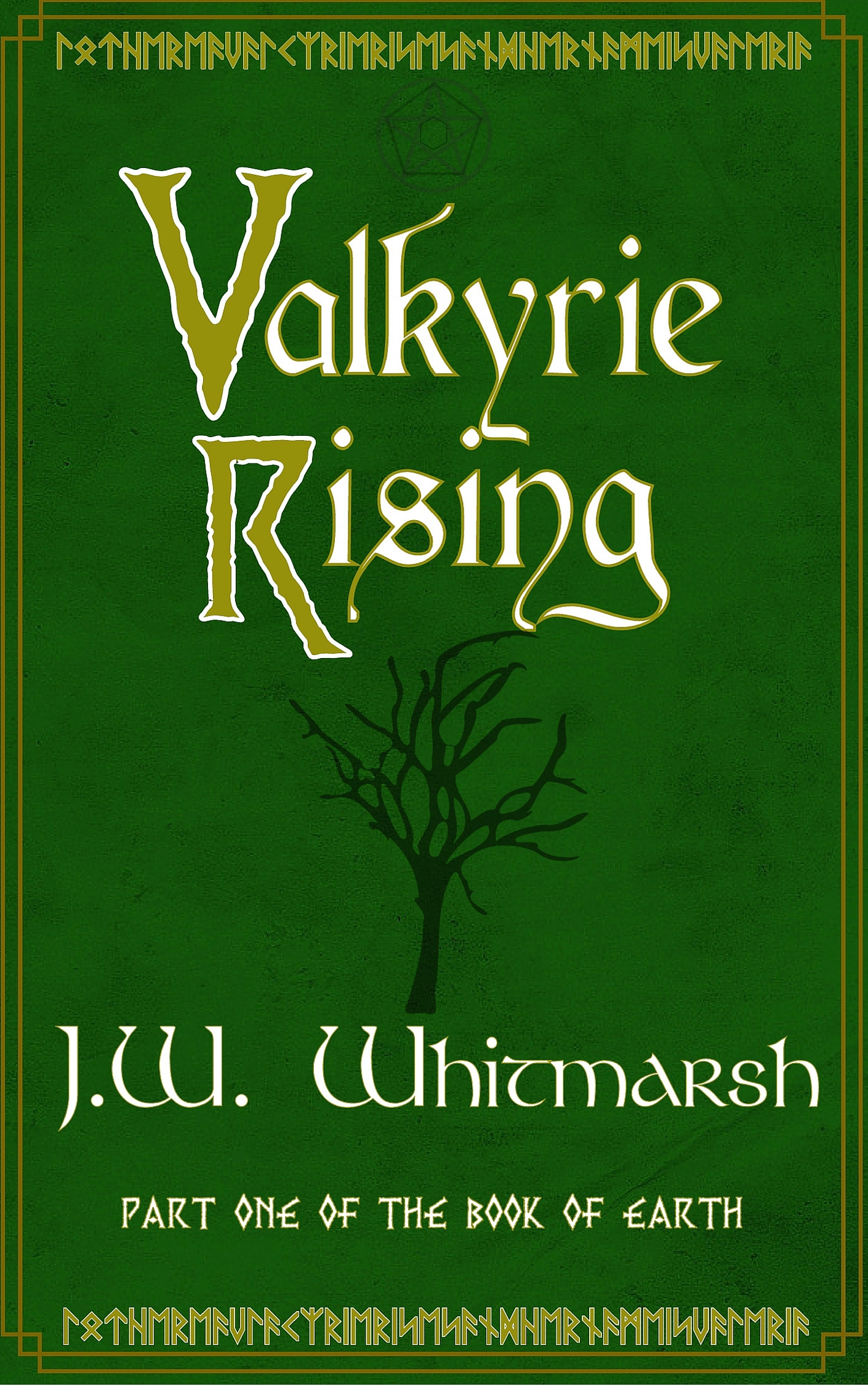 For those paying attention, it has been a while since anything was released from the Elemental Cycle. The reasons for this are myriad (marketing and editing issues, whole-scale relocation etc) but the good news is JW Whitmarsh is still writing and book five ‘Mars Fallen’ is in its final stages. Therefore this seems like a good point to look at what is to come in the next few months for the Elemental Cycle.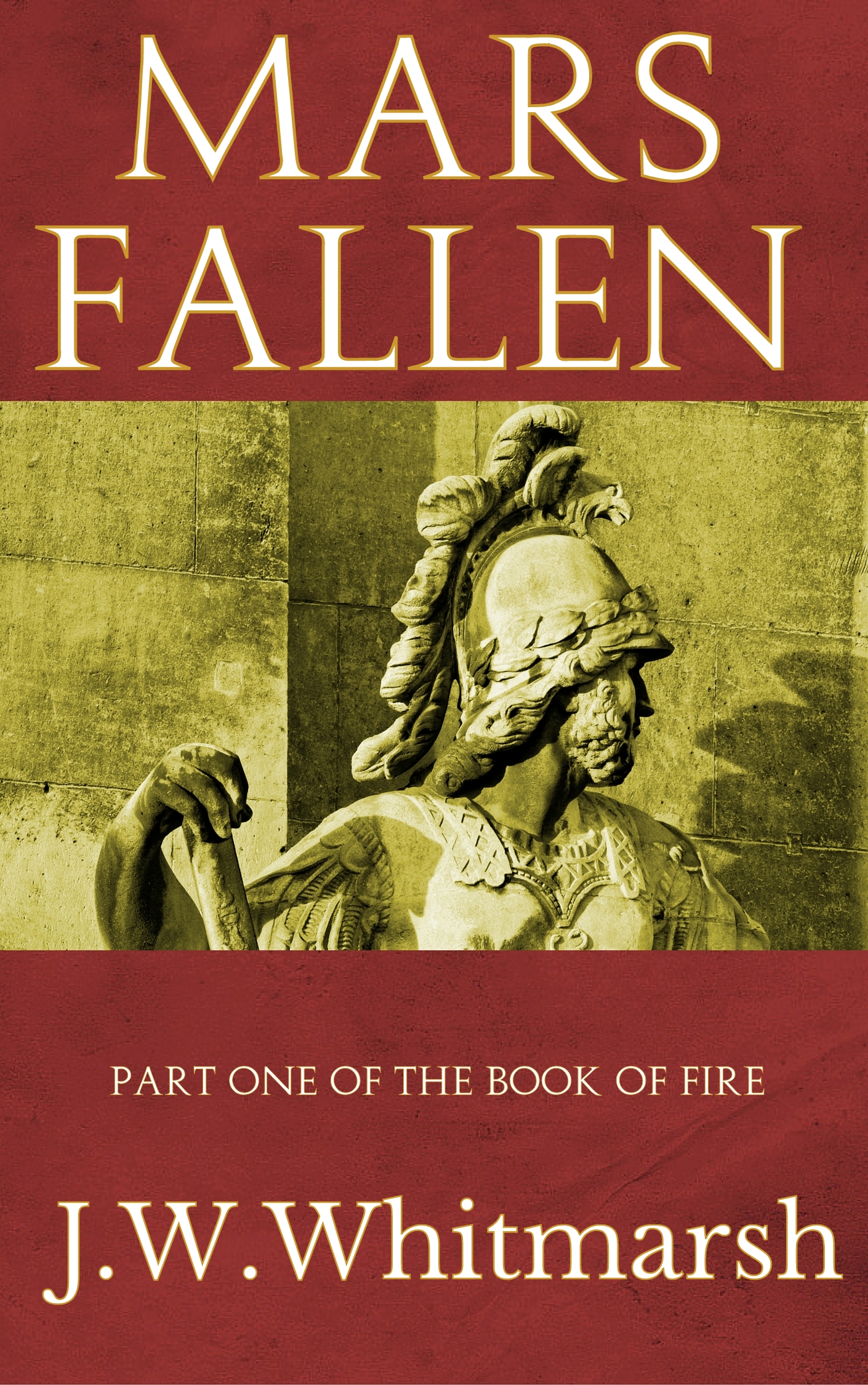

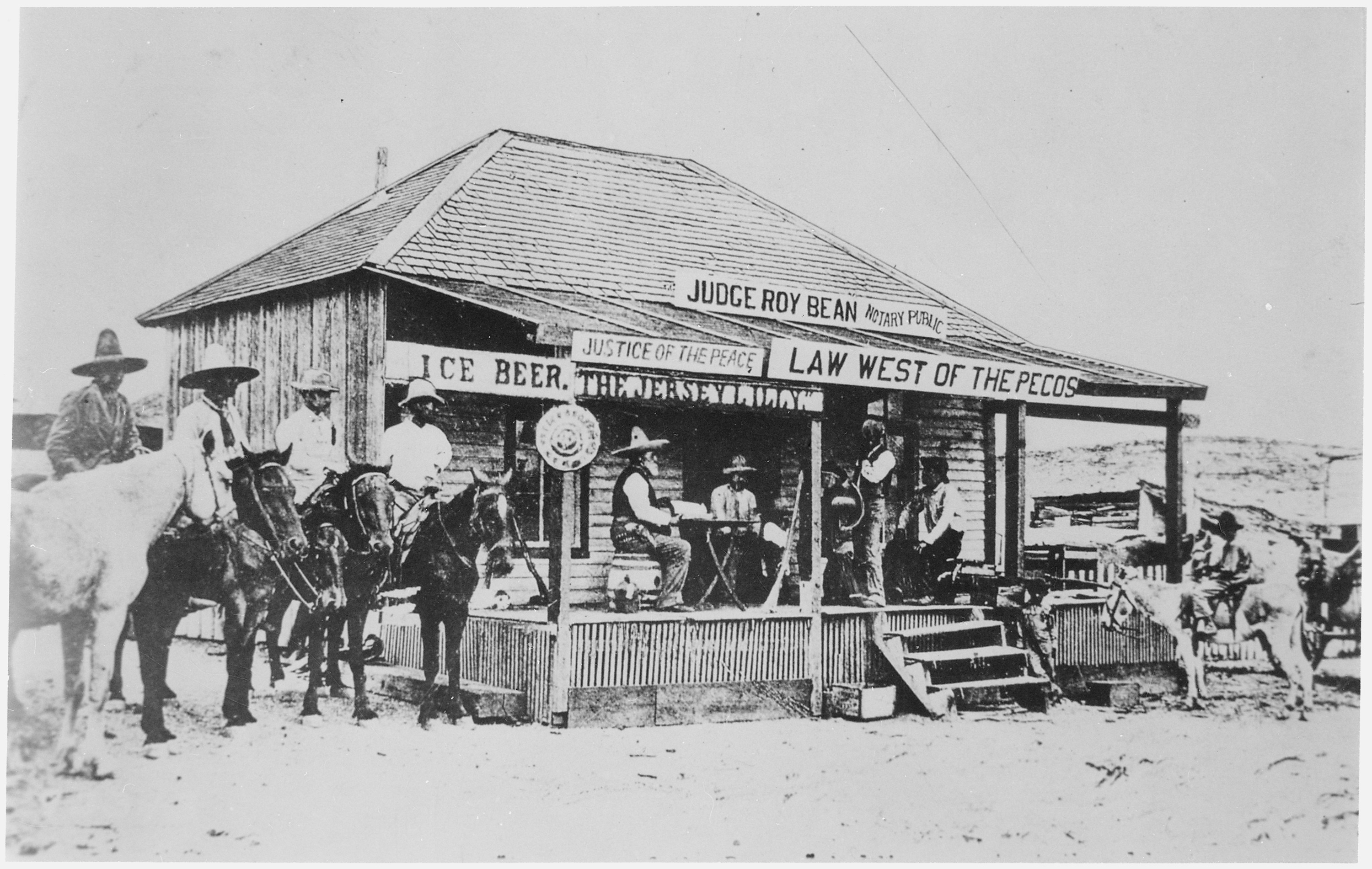 There’s an amusing David Mitchell (the comedian not the equally brilliant writer) piece questioning why a mere 30 year period in history should constitute an entire genre when other more historically significant 30-year periods don’t. You never hear people say ‘oh, I like fiction about the 30-years war mostly’. Perhaps they should; there’s a hell of a lot more to explore there. In any case, westerns are well-established and that’s fine and if people want to make a western I’ve no problem with that. What I tire of is seeing people from many centuries later ending up there and unfailingly having at least one party member who is au fait with the period through their love of old movies. Seems unlikely given the current popularity trend of old classic westerns.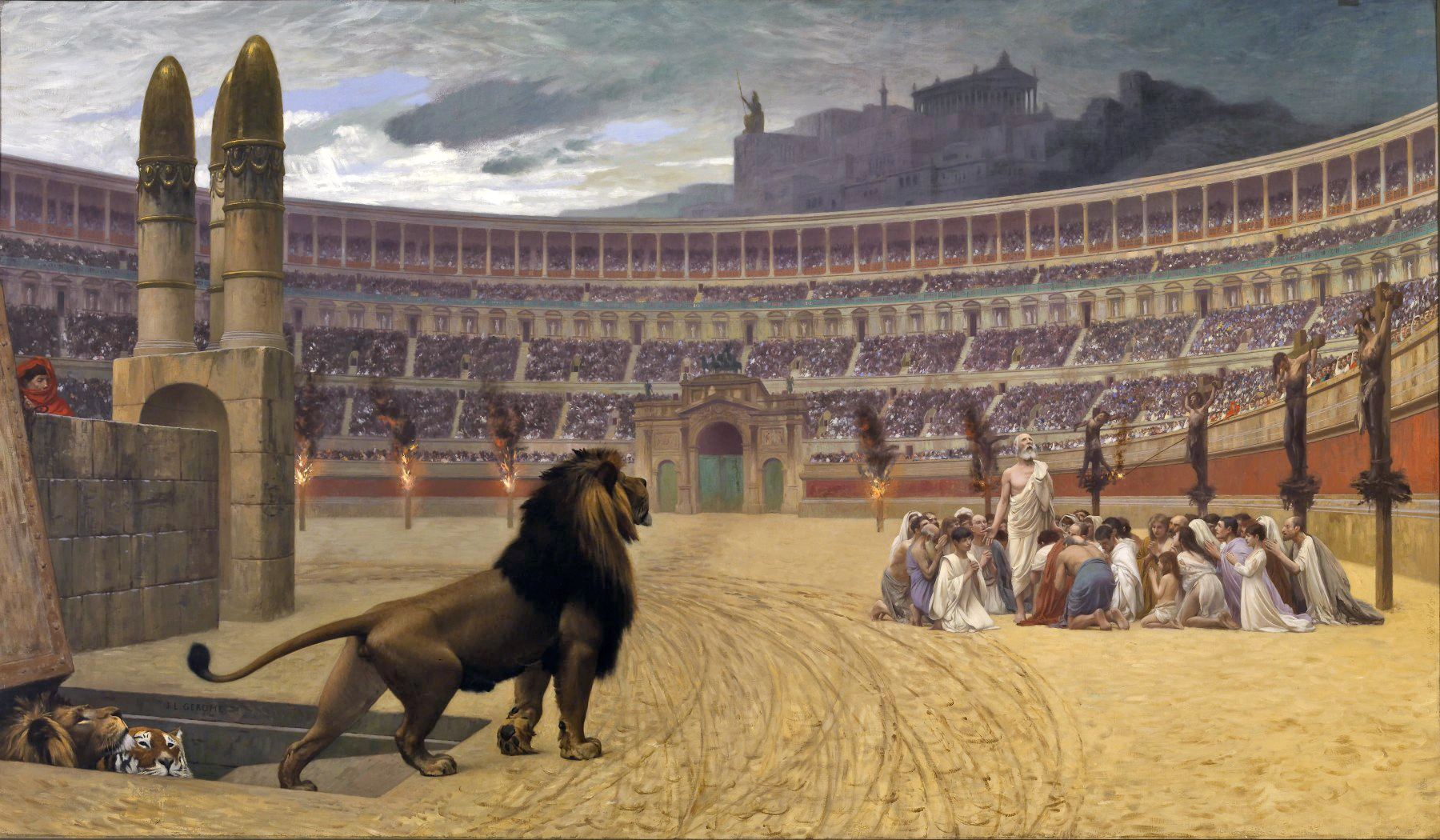
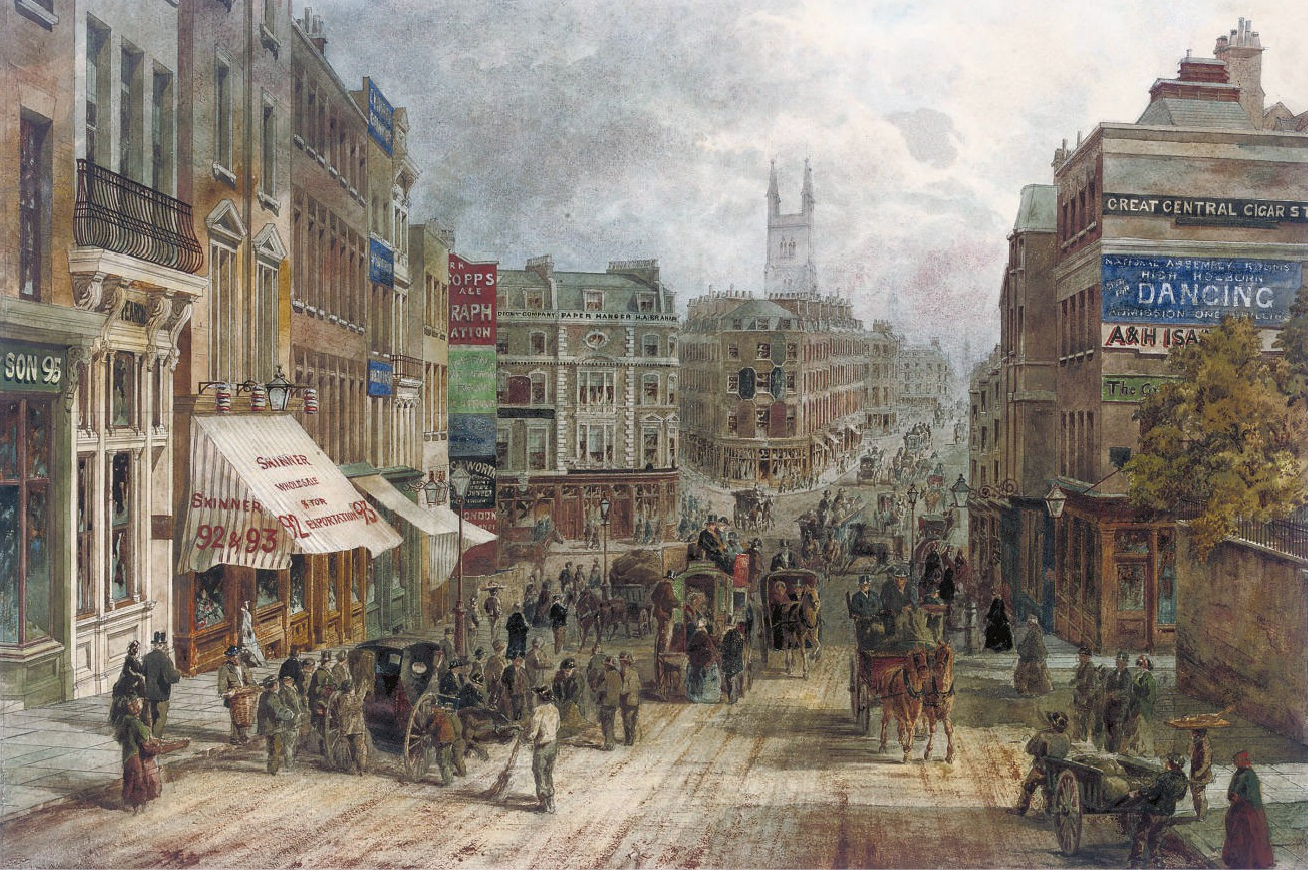 I’ll admit a touch of bias here. I studied the Victorians early on at school and I found them to be quite an unappealing group of people. Ethically and aesthetically it seems to me to be one of the less enjoyable bits of history. That’s not to say many great things didn’t happen but does your journey through time have to mean bumping into Charles Dickens or passing under the shadow of Jack the Ripper?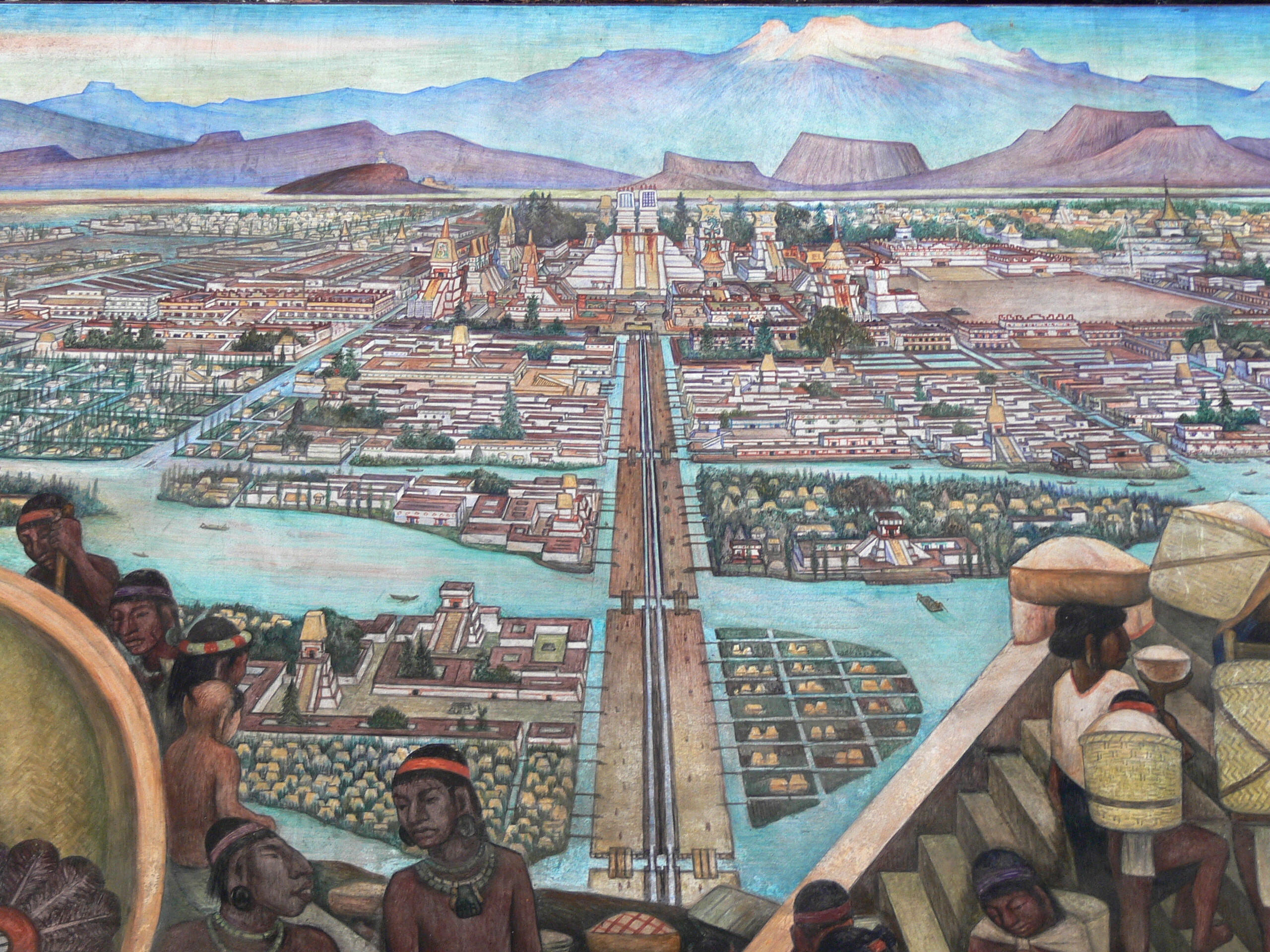
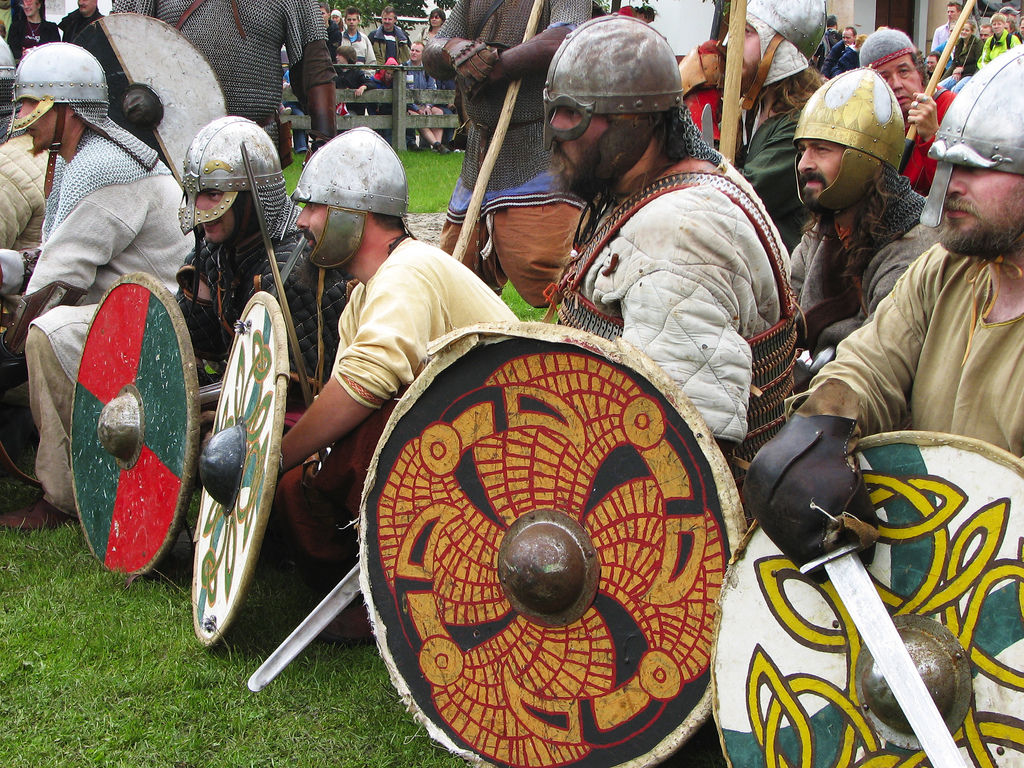 Seeing as the ‘dark ages’ remain one of the most misrepresented periods of time, a visit here would be educational if nothing else. Most people’s notion of history seems to be that there was the Romans and then not much happened until 1066. Nothing could be further from the truth. Apart from anything else, there was still a Roman Empire in the east throughout the whole period. The rise of Charlemagne seems to be something unheard of to a lot of people who studied history only at school.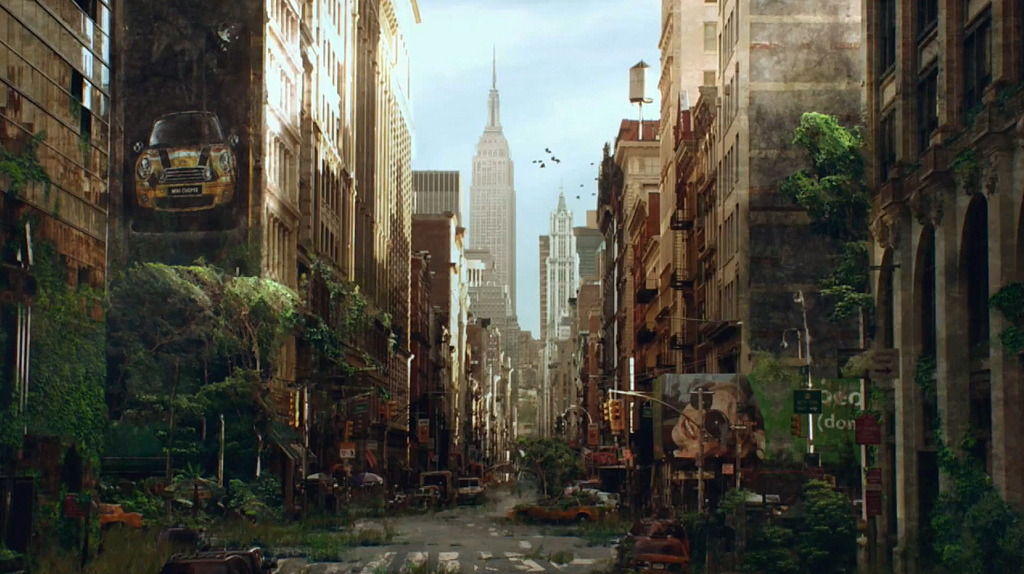

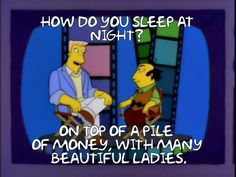 fandom than the TV or studio execs trying to turn it into a film. You can bet that the fans are more invested in a ‘faithful’ rendition than the show runners and sometimes than the creators. An example of this would be the ‘Jack Reacher’ series. Tom Cruise is physically completely unlike the character in the books (a foot shorter for a start) and pretty much everyone I know who is a fan of the books can’t bear to see Tom Cruise represent him. The author, who is clearly aware of the lack of resemblance, is reportedly less concerned. Although it is tempting to think of the McBane/Wolfcastle defence here.
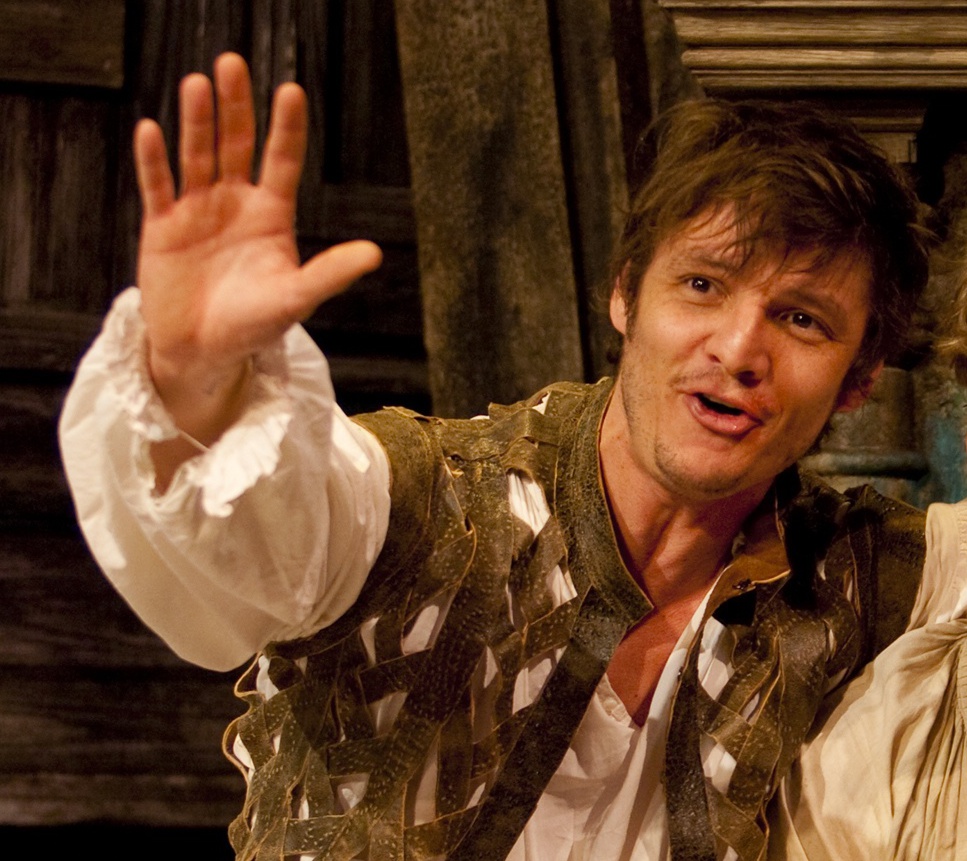 Most people I’ve talked to think Elijah Wood looks exactly like Frodo and are surprised when I say I think he was miscast. In this case the fandom has edited out the fact he is too young for the role. This is easy enough to live with because this is more people being happy with the result than trying to influence casting in the first place. For Pedro Pascal the process was quite different. Many who read ‘A Song of Ice and Fire’ seemed to have misread or ignored the description of Oberon Martell from the books and enthusiastically fan-cast Naveen Andrews in the role. When Pedro Pascal was cast these fans were left horrified and accompanied their disappointment with cries of ‘racism’ and ‘whitewashing’.

 Nexus-Fiction